
How to compare Milwaukee wedding venues
Searching for a wedding venue can get confusing fast. One venue is $3,500. Another is $5,000. Another says it starts at $2,000. One includes the ceremony. One charges separately. One includes chairs but requires its caterer. Another lets you choose your caterer but has a bar minimum.
Suddenly, comparing wedding venues feels a little like comparing cell phone plans.
The biggest mistake couples can make is comparing rental fee to rental fee. A $3,000 venue isn't necessarily less expensive than a $5,000 venue. And the more expensive venue isn't necessarily the better value.
If you're comparing Milwaukee wedding venues, here's what we recommend looking at instead.
1. Start with your actual guest count
Before comparing anything else, ask:
Does this venue make sense for the number of people we're actually inviting?
A room that holds 300 people might technically accommodate your 75-person wedding, but that doesn't mean it will feel right. And some venues have guest minimums or food-and-beverage minimums that make smaller weddings surprisingly expensive. This matters particularly for couples planning intimate weddings.
If you're inviting 75 people but paying toward a 125-person minimum, you're essentially spending money on guests who aren't coming.
At Denizen MKE, we designed our space specifically around intimate events. We think 50–80 guests can feel like a full, energetic wedding — not a small wedding swimming in a giant ballroom. Ask every venue: Is there a minimum guest count or minimum spend for my date? That one question can completely change the price comparison or take some of the more affordable venues into a whole new price bracket.
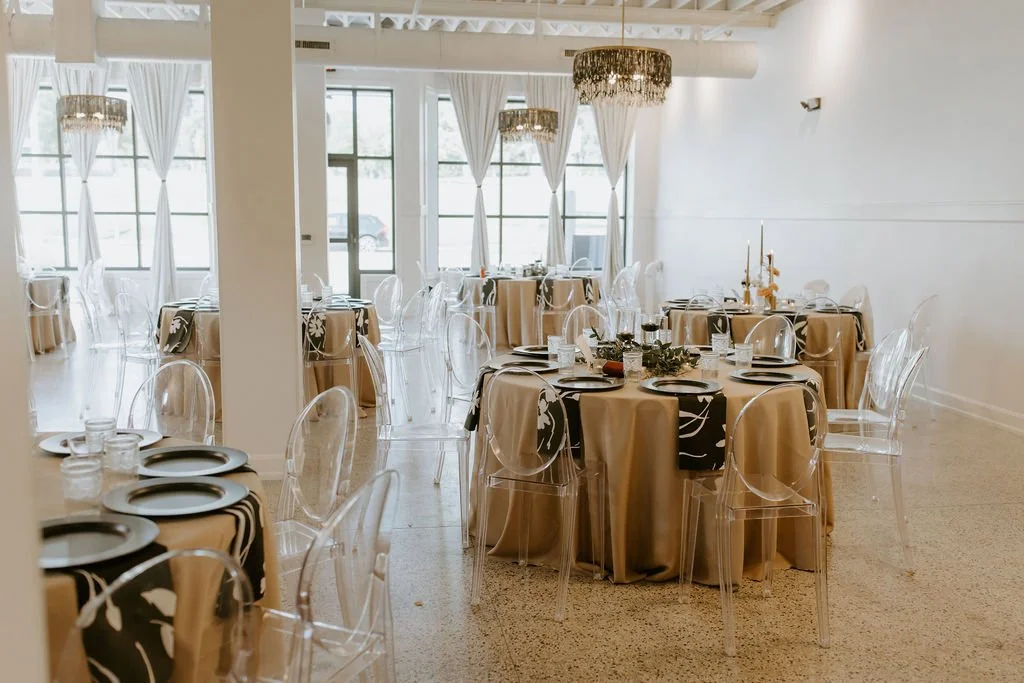
Denizen MKE Micro Wedding of 60 guests. Kaleigh Rae Photography
2. Don't ask what the venue costs. Ask what your wedding will cost.
Wedding venue directories often show a starting price. That's useful for narrowing down options, but it doesn't necessarily tell you what you'll actually spend. For example, current Milwaukee listings show starting venue prices that can look quite reasonable while noting that service fees, taxes, gratuities, guest count and seasonality may increase the final cost.
So instead of asking:
“What's your rental fee?”
Ask:
“For a Saturday wedding in September with 75 guests, ceremony and reception, what do you see couples spend on average?”
Now you're comparing real weddings.
Your calculation should look something like:
**Venue rental
Ceremony fee
Bar
Required catering/minimum
Service charges
Staffing
Required rentals
Required vendors
= Actual venue-related cost**
That number is much more meaningful.
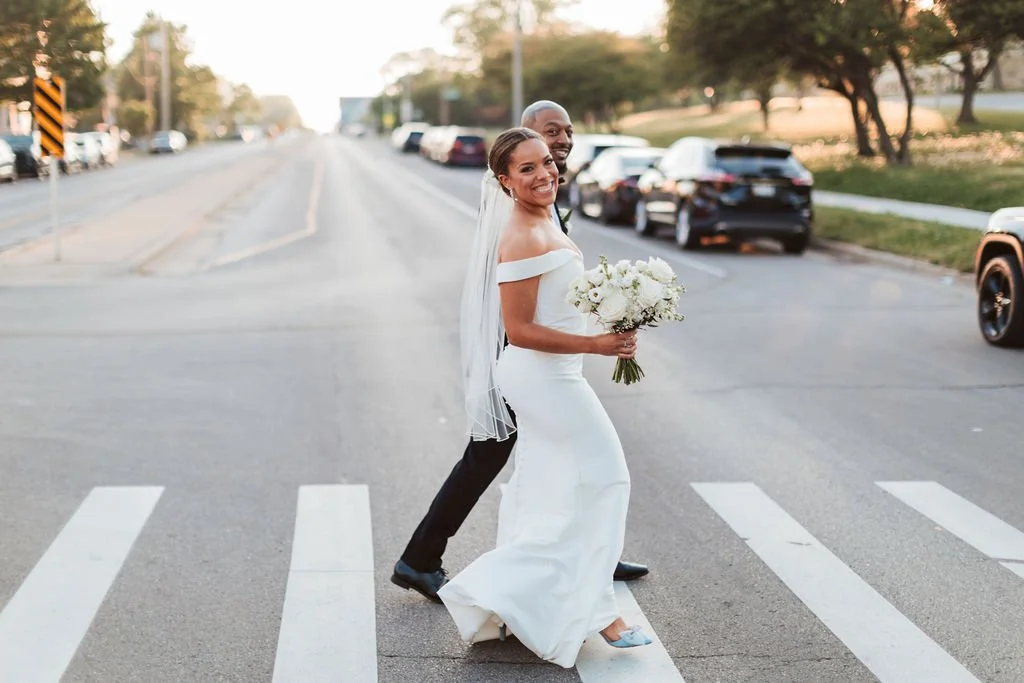
100 person wedding in May. Amanda Evans Photography
3. Find out what's actually included
This is where a higher-priced venue can suddenly become the better deal.
Ask whether the rental includes:
Tables and chairs
Ceremony chairs
Setup and teardown
Room flips
Getting-ready space
Rehearsal
Bartenders
Security
Parking
Lighting
Linens
Décor
Planning meetings
Floor-plan creation
Vendor management
Day-of coordination
For example, some Milwaukee venues include significant infrastructure in their rental price. Start thinking value, not cost.
But here's an important distinction:
“Included” doesn't always mean the same thing.
Which brings us to...
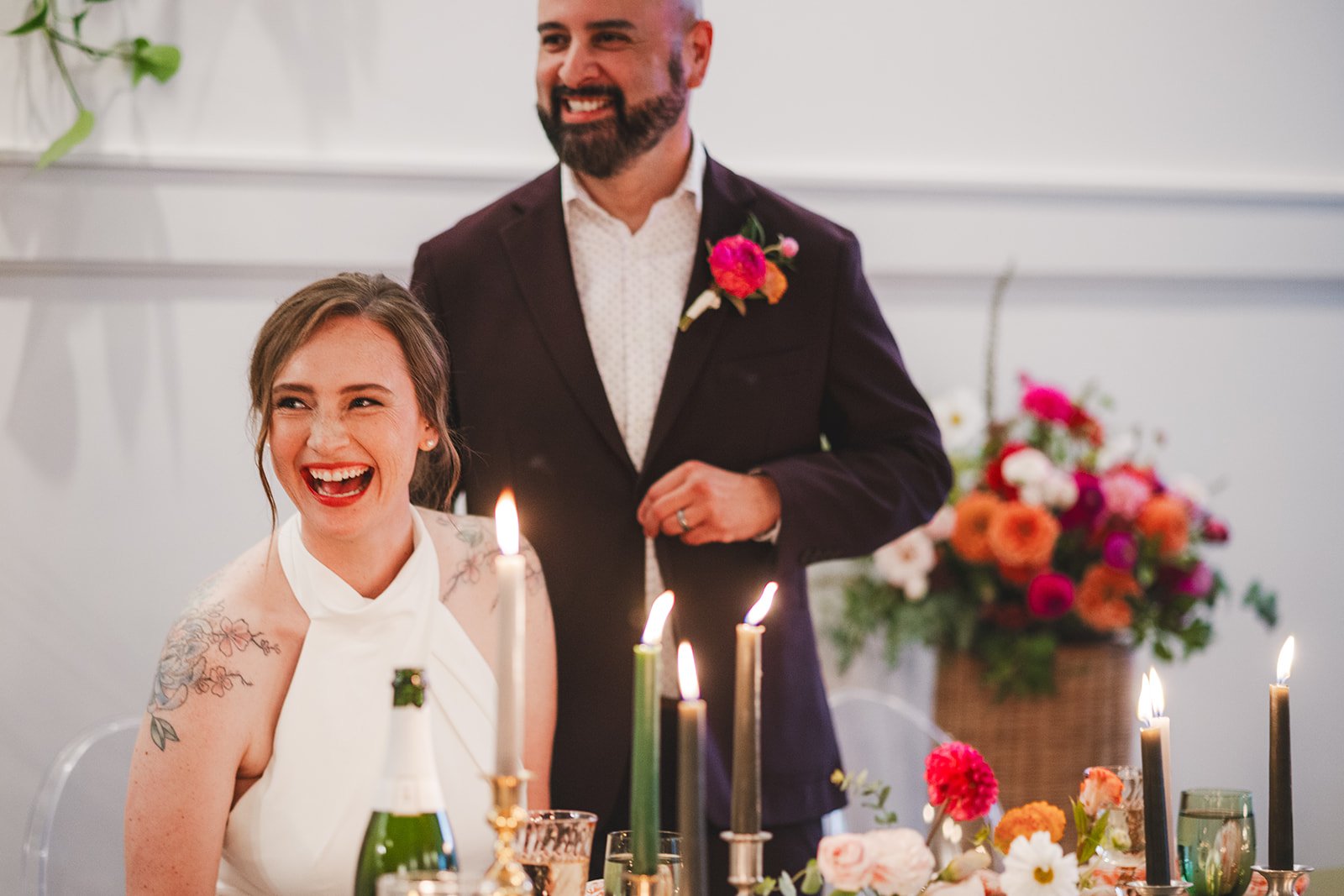
50 person wedding in August. Patrick Betcher Photo
4. Ask what “venue coordinator” actually means
This is one of the most misunderstood phrases in wedding planning. A venue manager may be responsible for the building. A venue coordinator may help execute the venue's responsibilities. A wedding coordinator may be managing your wedding.
Those are different jobs.
Ask specifically:
Who communicates with my vendors?
Who creates the timeline?
Who makes sure we're ready for the ceremony?
Who sets out my décor?
Who handles a vendor arriving late?
Who cues speeches and first dances?
Who solves problems without coming to me?
Don't settle for “we'll have someone here.” Find out what that person actually does. Then read reviews… At Denizen, this is a big part of why we've built planning assistance, design guidance and day-of coordination into our wedding experience. A Day of Coordinator in Milwaukee will charge around $1,000-$2,000. If your venue doesn’t offer the support you want for your day, that additional cost needs to be considered.
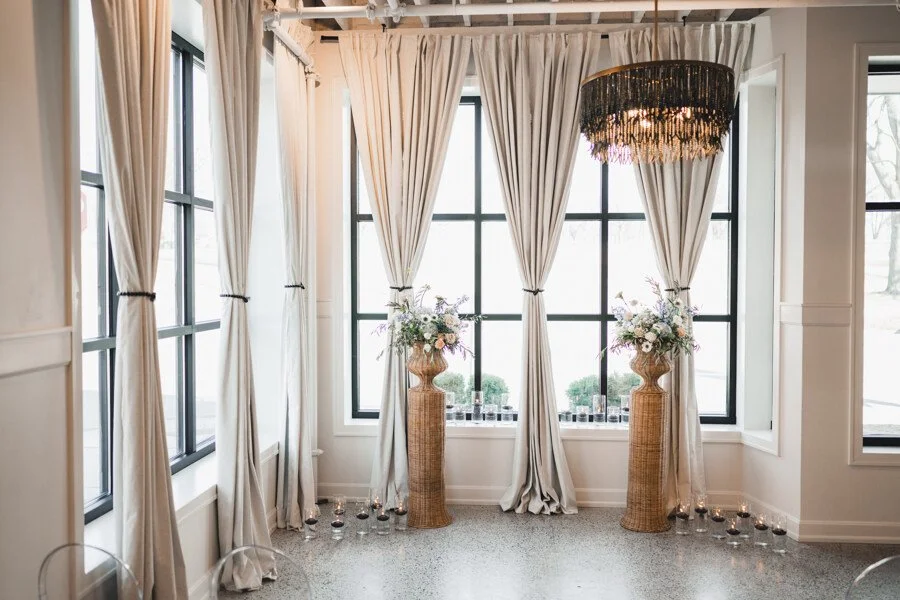
30 person indoor ceremony. Roost Photography
5. Look carefully at catering restrictions
This can change your wedding budget by thousands of dollars. Some venues allow you to choose any licensed full-service caterer. Others have a preferred list. Others require one exclusive caterer. None of those models is inherently bad. But you need to know which one you're agreeing to.
If the venue is $1,000 less but its required catering minimum of $8,000, you need to consider your guest count, menu and what’s important to you. If it’s food and you would spend that either way - great! If food is not a priority and your budget calls for $4,000, maybe the ‘cheaper venue’ is no longer the right option.
So ask:
Can we choose our own caterer?
Then:
Is there a fee for using someone outside your preferred list?
And finally:
Is there a food minimum?
That gives you the real answer.
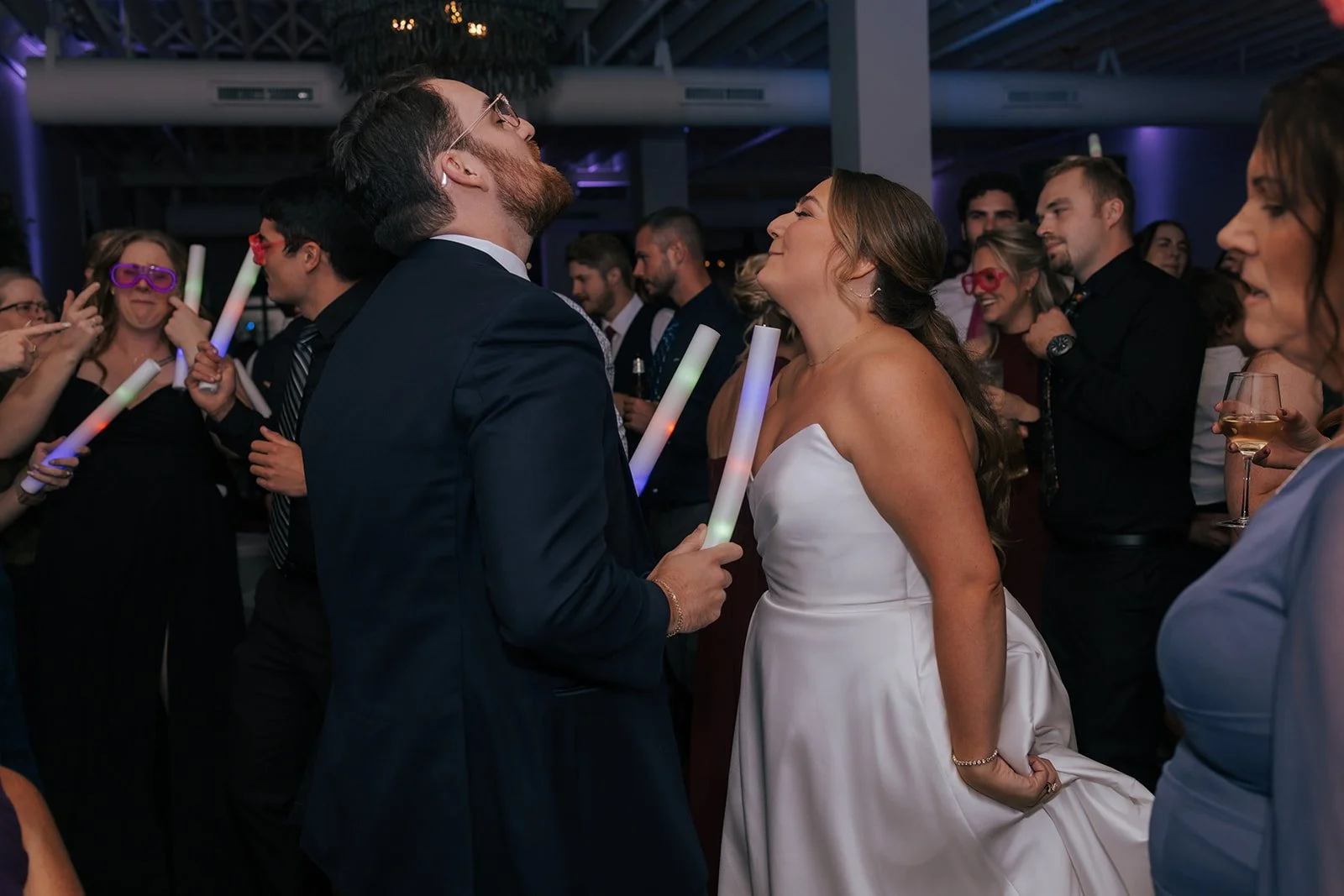
120 person wedding. Morgan Woods Photo
6. Do the same thing with the bar
Don't compare:
$30/person vs. $40/person.
Compare what's actually inside those numbers.
Ask:
How many hours?
Beer and wine or full bar?
What liquor level?
Are bartenders included?
Is gratuity included?
Is there a service charge?
Is there a beverage minimum?
Do non-drinkers count toward the package?
A $35 bar package with a 20% service charge is really $42 before tax. And minimums matter, especially for intimate weddings.

80 person wedding. Burning Sage Photo
7. Pay attention to service charges
This one deserves its own section because it's easy to overlook.
If you see:
Venue: $4,000
Bar: $4,000
you might reasonably think:
$8,000.
But if there's a 20–25% service charge on some or all of that spending, the actual total can be significantly different. Service charges aren't unusual. The important thing isn't whether a venue has one. It's whether you know about it before you've emotionally committed to the venue.
Ask:
What service charges, administrative fees, gratuities and taxes will be added to this proposal?
What costs receive a service charge? Some charge over the entire bill. Some charge based on specific services.
Not the world's sexiest wedding-planning question. Possibly one of the most valuable.
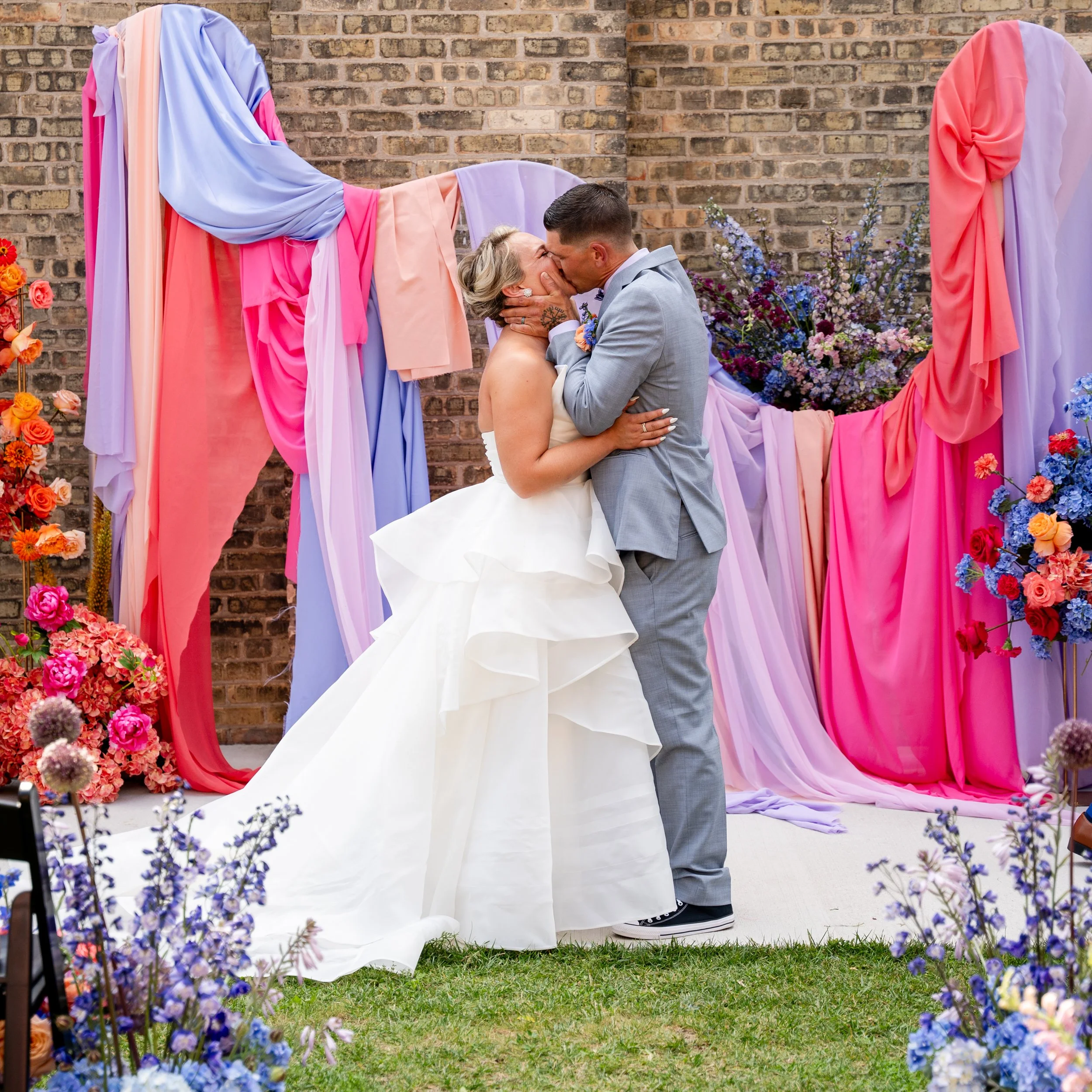
8. Consider how much decorating the space needs
This cost rarely appears on a venue proposal. But it's real. A blank room can be wonderful if you want to completely transform it.
It can also mean:
draping
lighting
specialty furniture
linens
large-scale florals
installations
rentals
delivery fees
setup labor
If you're comparing two venues, don't just ask which room costs less.
Ask:
What will it cost to make each room feel like us? Sometimes spending a little more on a venue you already love saves money elsewhere. And sometimes the opposite is true.
At Denizen, this is part of the reason we're so obsessed with design. The room already has chandeliers, our forest mural, big windows, clear chairs, an outdoor patio and a strong visual identity. You can absolutely go wild with design or we can add a few thoughtful touches and your day feels curated specifically for you.
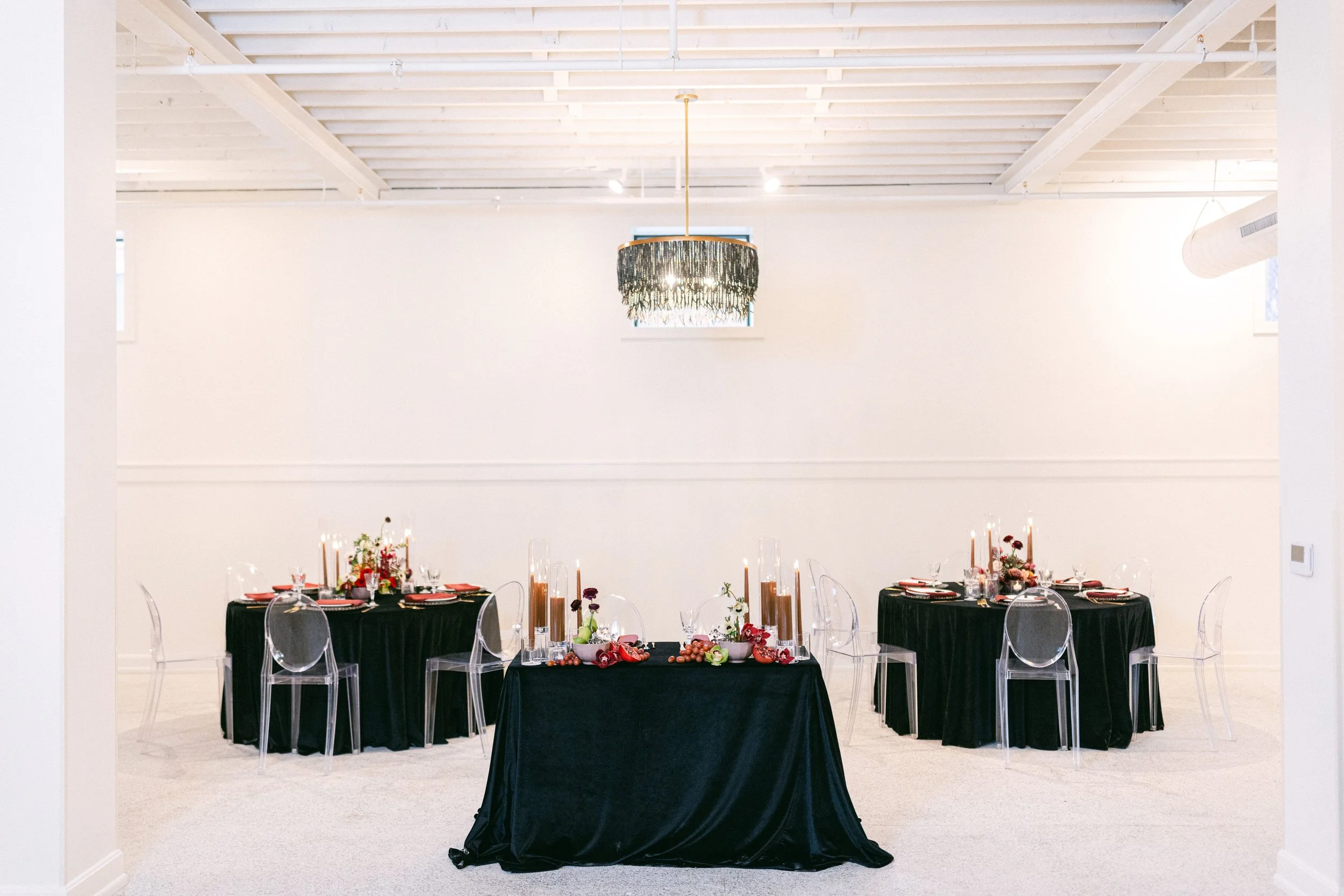
Micro wedding Amarie Photo
9. Compare access time — not just event time
“Eight-hour rental” can mean wildly different things. Is that eight hours of partying? Or does your florist need to arrive, your caterer unload, your DJ set up, your ceremony happen, dinner happen and everything get removed within those same eight hours?
Ask about:
Vendor access time.
Wedding-party access.
Setup time.
Ceremony time.
Reception time.
Cleanup deadline.
If additional access costs $200–$500 an hour, that belongs in your comparison too.

10. Think about flexibility as something with actual monetary value
This gets overlooked.
Can you choose your caterer?
Can you bring your own planner?
Can you select your florist?
Can you decide how much décor you actually need?
Can you choose a less expensive vendor in one category so you can splurge somewhere else?
Every mandatory vendor removes one lever from your budget. That doesn't automatically make a venue a bad value — all-inclusive models can be wonderfully convenient. But flexibility has value too. You’ll either be paying the venue for additional set up time OR your vendors for extra people. For couples trying to create something personal while keeping their budget under control, it can have a lot of value.
The wedding venue comparison we wish everyone would make
Before touring your final venues, make a spreadsheet. Seriously. Across the top, put each venue you're considering. Down the side, compare:
Compare this:
Venue A, Venue B, Venue C Rental
Ceremony
Required food minimum
Bar for your guest count
Service charges
Tables + chairs
Setup/tear down
Linens/rentals
Required vendors
Planning support
Day-of coordination
Access hours
Real estimated total
Then underneath all of that, add one final row:
How much do we actually like it?
Because this isn't purely a math problem. The $500-less-expensive venue isn't automatically the right venue. Neither is the one with the longest inclusion list.
You're looking for the intersection of:
We love it.
It fits our people.
It fits our budget.
And we feel supported here.
That's value. And my final notes on venue comparing - Saving $1 or $2,000 upfront may seem like a win. It could be a huge regret. You’re still investing so much time, money and thought into your day. To spend an extra $5,000 to not feel regret is everything. Support through planning and the day of is the most valuable item on the list. Communication is key. When it comes to choosing your venue, understand they set the tone for the entire event. They should be flexible, have amazing communication skills, and put you at ease.
Amber Bricco
Owner + Client Experience Director
Denizen MKE